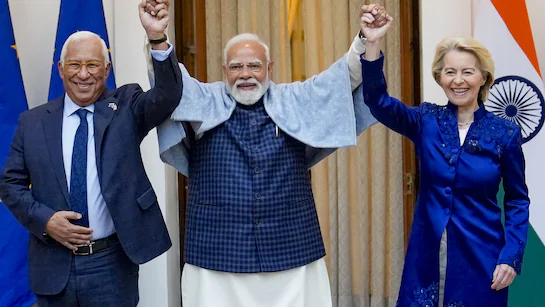
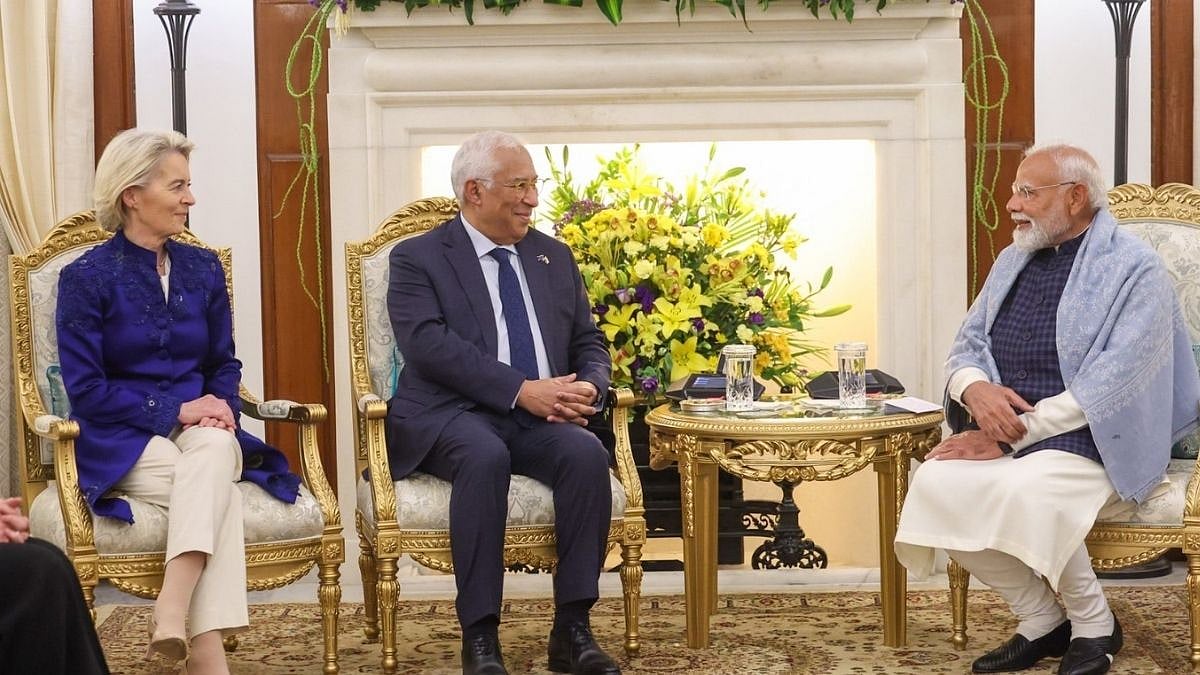
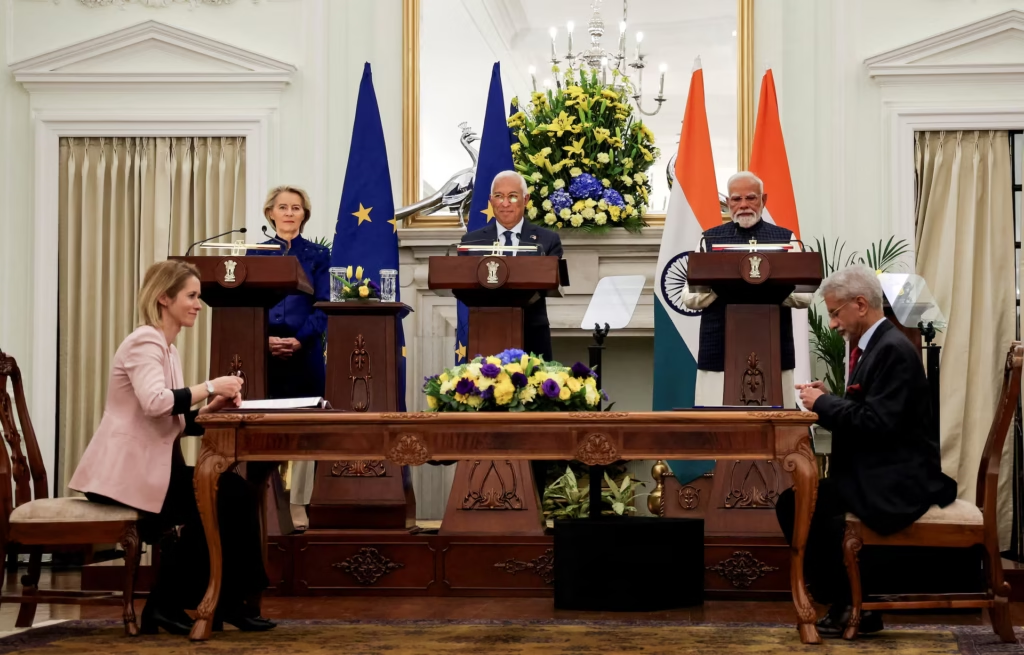
After nearly two decades of negotiations, India and the European Union have finally reached a historic free trade agreement. Announced on January 27, 2026, this deal is being called “the mother of all deals” by European Commission President Ursula von der Leyen. But what does this agreement actually mean, and why should we care? Let’s break it down in simple terms.
What Is This Deal About?
At its core, a free trade agreement is like removing walls between two neighbors’ yards. It makes it easier and cheaper for businesses to sell their products across borders. In this case, India and the EU have agreed to reduce or remove taxes (called tariffs) on goods moving between them.
The scale of this agreement is massive. We’re talking about creating a free trade zone that includes about 2 billion people—that’s roughly one-quarter of the world’s population. The combined market value is nearly $27 trillion, representing about 25% of the entire global economy. To put that in perspective, this is one of the largest trade agreements ever negotiated.
The Long Road to Agreement
This deal didn’t happen overnight. Negotiations between India and the EU started way back in 2007. That’s almost 20 years of discussions, debates, and disagreements before finally reaching common ground.
Why did it take so long? Trade negotiations are complicated. Both sides want to protect their own industries while gaining access to new markets. India was concerned about protecting its farmers and small businesses. The EU wanted better access for its cars, machinery, and luxury goods. Finding a balance that works for everyone takes time, patience, and a lot of compromise.
The talks were actually paused for several years before being revived in 2022. What changed? The world changed. Global politics shifted, new economic challenges emerged, and both sides realized they needed each other more than ever.
What’s Actually in the Deal?
Here’s where things get interesting. The agreement covers a wide range of products and industries.
For European Exports to India:
India has agreed to reduce or eliminate tariffs on about 96.6% of products coming from the EU. This is huge because India has traditionally had some of the highest import taxes in the world to protect its domestic industries.
Let’s look at some specific examples:
- Cars and automobiles: Indian tariffs on European cars will gradually drop from a whopping 110% down to as low as 10%. This means a BMW or Mercedes that costs €50,000 in Europe could become significantly cheaper in India over time.
- Wine and spirits: European wine producers have long struggled to sell in India due to high taxes. Those barriers are coming down.
- Machinery and equipment: German and Italian machinery manufacturers will find it easier to sell their products to Indian factories and businesses.
- Chemicals and pharmaceuticals: The European chemical industry will gain better access to India’s growing market.
For Indian Exports to the EU:
The EU will reduce tariffs on nearly 99% of India’s exports by trade value. This opens up enormous opportunities for Indian businesses.
Key Indian exports that will benefit include:
- Textiles and clothing: India is a major textile producer, and easier access to European markets means more business for Indian manufacturers.
- Leather goods: Indian leather products will become more competitive in European stores.
- Gems and jewelry: India is a major hub for diamond cutting and jewelry making. These products will now have better access to European consumers.
- Agricultural products: Some Indian food products and spices will find it easier to enter European markets.
- Generic medicines: India is known as the “pharmacy of the world” for producing affordable generic drugs. European consumers may benefit from lower medicine costs.
The Money Side of Things
The financial impact of this deal is substantial. European businesses are expected to save up to 4 billion euros annually in import duties—that’s money that was previously going to taxes but can now be used for investment, lower prices, or higher profits.
For consumers, this could mean lower prices on various products. When businesses pay less in import taxes, they can often pass those savings on to customers. Indian consumers might pay less for European cars, wines, and machinery. European consumers might see lower prices on Indian textiles, jewelry, and medicines.
Why Now? The Bigger Picture
The timing of this deal isn’t coincidental. Global trade is going through significant changes, and several factors pushed India and the EU to finalize this agreement now.
Changing Global Dynamics:
The United States has recently imposed steep import tariffs on products from both India and the EU. When your traditional trade partner puts up walls, you look for new friends. This deal is partly a response to that shift, with India and the EU finding common ground in their need for reliable trade partnerships.
Economic Diversification:
Both economies want to reduce their dependence on any single trade partner. For Europe, this means looking beyond traditional allies and building stronger economic ties with growing Asian economies. For India, it means expanding beyond its existing trade relationships and accessing the wealthy European market more effectively.
Geopolitical Strategy:
In today’s complex world, economic agreements are also about building political alliances. This deal strengthens the relationship between India and Europe beyond just trade, creating a partnership that could influence global affairs.
What Happens Next?
Don’t expect to see immediate changes at your local stores. The agreement still needs to go through several steps before it becomes reality.
First, lawyers from both sides will spend the next five to six months reviewing every detail of the agreement. This legal vetting ensures that everything is properly worded and that both sides understand their commitments.
After that, the agreement needs to be formally signed by political leaders. Then, it must be ratified—meaning approved—by various governmental bodies. In the EU, this includes the European Parliament and possibly individual member states. In India, it needs approval from the parliament.
Once all that is done, implementation will begin. Experts expect the deal to be fully operational within a year from now, though some provisions might kick in earlier while others could take longer.
Winners and Potential Challenges
Like any major economic agreement, there will be winners and losers.
Likely Winners:
- European car manufacturers who gain access to India’s growing middle class
- Indian textile and garment makers who can sell more easily in wealthy European markets
- Consumers in both regions who may see lower prices
- Service sector companies that get better market access
- Investors who have more confidence in doing business across both regions
Potential Challenges:
- Small businesses in both regions may struggle to compete with larger international players
- Certain protected industries may face more competition than they’re used to
- Workers in sectors that lose competitiveness might face job uncertainty
- Regulatory adjustments may be needed to ensure product standards are maintained
What This Means for the Average Person
You might be wondering: “How does this affect me?”
If you live in Europe, you might eventually find Indian products becoming more common and potentially cheaper—think clothing, jewelry, and generic medicines. If you’re in India, European goods like cars, wine, and machinery could become more affordable and accessible.
Beyond shopping, this deal could create jobs. More trade typically means more economic activity, which often translates to employment opportunities in logistics, retail, manufacturing, and services.
For students and professionals, increased economic ties often mean more opportunities for international collaboration, whether that’s studying abroad, working for multinational companies, or starting businesses that operate across borders.
The Bottom Line
The EU-India trade deal represents a significant shift in global commerce. It’s not just about reducing tariffs—it’s about building a stronger economic partnership between two major world economies during a time of global uncertainty.
Will this agreement transform overnight how we shop and do business? No. Trade deals work gradually, their effects unfolding over years. But make no mistake: this is a big deal that will shape economic relationships for decades to come.
As someone watching from the sidelines, the most important thing to understand is that we’re witnessing a redrawing of global trade relationships. In a world where traditional partnerships are being questioned and new alliances are forming, the EU-India agreement is a significant piece of the puzzle.
The next year will reveal how this partnership evolves and what concrete benefits emerge for businesses and consumers. One thing is certain: the world of international trade just got a lot more interesting.
This trade agreement is expected to be implemented within the next 12-18 months, pending legal review and ratification. The full effects will unfold over several years as tariff reductions are phased in and businesses adapt to the new trading environment.
Read more at reeosh.com